
Last verified 2026-05-17 — primary source: nevadacountyca.gov/1336/Winter-Preparedness
Prepare Now for Severe Winter Weather
Severe winter storms in Nevada County can knock out power and close roads for days or even weeks. Get ready now so you and your family can stay safe at home without help. Build a Stay-Bag with at least two weeks of food, water, medicine, warm gear, and fuel. If you have a friend or family member at lower elevation, plan ahead — leaving before the snow flies is often safer than riding out a big storm. [Source: nevadacountyca.gov/1336/Winter-Preparedness (accessed 2026-05-17)]
Need Help Fast? Call 2-1-1
Dial 2-1-1 any time to reach a Nevada County Connecting Point specialist. They can connect you to warming centers, emergency shelter, food, and storm resources. It's free and confidential. [Source: news.caloes.ca.gov/storm-season-safety-warming-centers (accessed 2026-05-17)]
Watch the Forecast
The National Weather Service issues Winter Storm Watches and Warnings before bad weather hits. Check forecasts often during storm season:
- NWS Reno: weather.gov/rev
- NWS Sacramento: weather.gov/sto
- Local radio and TV
A Watch means severe winter weather is possible. A Warning means it's happening or about to. Sign up for CodeRED alerts through Nevada County so emergency messages reach your phone.
Medical Devices & Health
If you rely on a life-sustaining medical device (oxygen, dialysis, CPAP, power wheelchair) or need temperature control for a medical condition, contact FREED Center for Independent Living before storm season:
- Phone: (530) 477-3333
- Toll free: (800) 655-7732
- TTY: (530) 477-8194
- 435 Sutton Way, Grass Valley, CA 95945
FREED may be able to provide backup power supplies (limited stock) and free emergency preparedness planning. They serve people of all ages with any disability. [Source: freed.org/contact-grass-valley-office (accessed 2026-05-17)]
Also keep a first aid kit and at least two weeks of prescription medication on hand. Refill early in fall before snow arrives.
Keep Warm
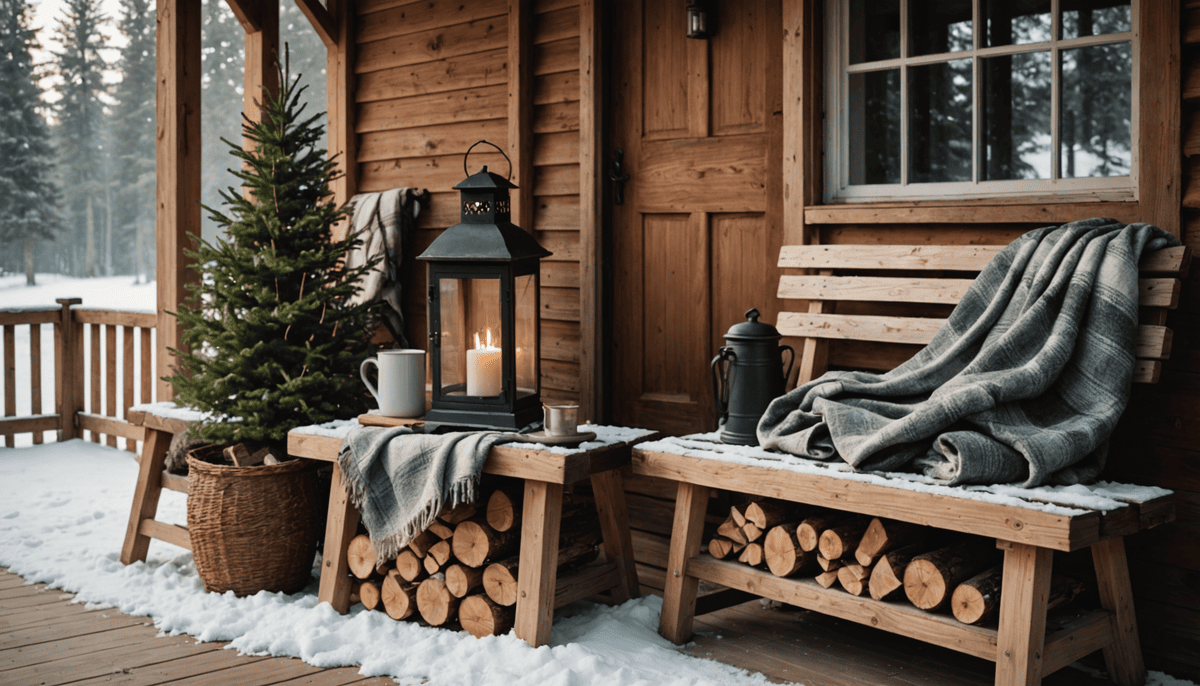
- Stock dry firewood — enough for the longest storms. If the power fails, this may be your only heat.
- Keep sleeping bags, wool blankets, jackets, gloves, and hats easy to grab.
- If you use a generator for heat, store enough fuel and never run it indoors — carbon monoxide kills.
- Install working CO detectors near sleeping areas.
- If your house gets too cold, go to a warming center or stay with a friend or family member.
Warming Center
Sierra Roots Emergency Weather Shelter opens during dangerous overnight cold at:
- Nevada City Vets Hall, 415 N Pine Street, Nevada City
- Open seasonally when temperatures are dangerously low
- Hot dinner and breakfast, blankets, indoor sleeping space
Call 2-1-1 to confirm the shelter is open and to find any other warming locations near you. [Source: news.caloes.ca.gov/storm-season-safety-warming-centers (accessed 2026-05-17)]
Maintain Light
Power outages are common. Stock up before the storm:
- Flashlights and headlamps (headlamps free up both hands)
- Lanterns — battery or rechargeable beat candles
- Extra batteries in every size you use
- Backup phone battery packs, charged
Candles work but cause house fires every winter. Use them only if you must, and never leave them burning unattended.
Eat & Hydrate
Build a two-week food supply that doesn't need refrigeration or much cooking:
- Canned soups, beans, vegetables, fruit, tuna
- Dry pasta, rice, oats, peanut butter, crackers
- Shelf-stable milk, dried fruit, nuts
- Pet food, baby food, formula if needed
A camp stove with extra fuel lets you cook and boil water when the power is out. Use it outside or in a well-ventilated space — never inside a closed room.
Store at least one gallon of water per person per day for two weeks. That's 14 gallons per person.
Pro tips:
- Freeze gallon jugs of water before a storm. When power fails, move them into the fridge and freezer — your food lasts longer and the melted water is drinkable.
- Fill bathtubs with water before the power goes out. Use it for flushing toilets and washing.
- Keep a cooler ready. Snow on the ground = free ice.
Fuel & Stock Up
- Top off your gas tank or charge your EV in the days before a storm hits. Gas stations and chargers may be unreachable or unpowered after.
- Stock fuel for generators, snow blowers, and chainsaws.
- Have a sturdy snow shovel and a roof rake if you have a heavy-snow roof.
- Keep an ice scraper and snow brush in every vehicle.
Travel Safely
Staying home is usually the safest choice during a storm. If you must drive:
- Park where you can get out — sometimes at the bottom of a long driveway near the road.
- Carry chains that fit your tires. CHP often requires them on mountain roads. 4WD or AWD alone is not enough on ice.
- Build a vehicle emergency kit: first aid kit, wool blankets, food and water, flashlight, shovel, tow strap, jumper cables, sand or kitty litter for traction, full set of warm clothes, phone charger.
- Treat every downed power line as live. Stay back at least 35 feet and call 911.
- Watch for fallen trees, especially during heavy wet snow.
Help Your Neighbors
Check on elderly neighbors, people with disabilities, and families with young children before and after storms. A knock on the door can save a life when phones and power are out.